News & Views
What changes inside a peroxisome?
A way to collect native peroxisomes brings the differences between tissues into focus.
Source published
Read storyIndependent Peptidal briefs on peptide science, drawn from news and commentary across Nature Portfolio.
News & Views
A way to collect native peroxisomes brings the differences between tissues into focus.
Source published
Read story
Research Highlights
A chemical trick gives researchers a way to restore phenylalanine at a chosen moment.
Source published
News & Views
A Nature Chemistry briefing follows the return of molecular interactions as phenylalanine is uncovered.
Source published
News & Views
A change to the chemistry at one end of a peptide removes a pH adjustment from the joining process.
Source published
News & Views
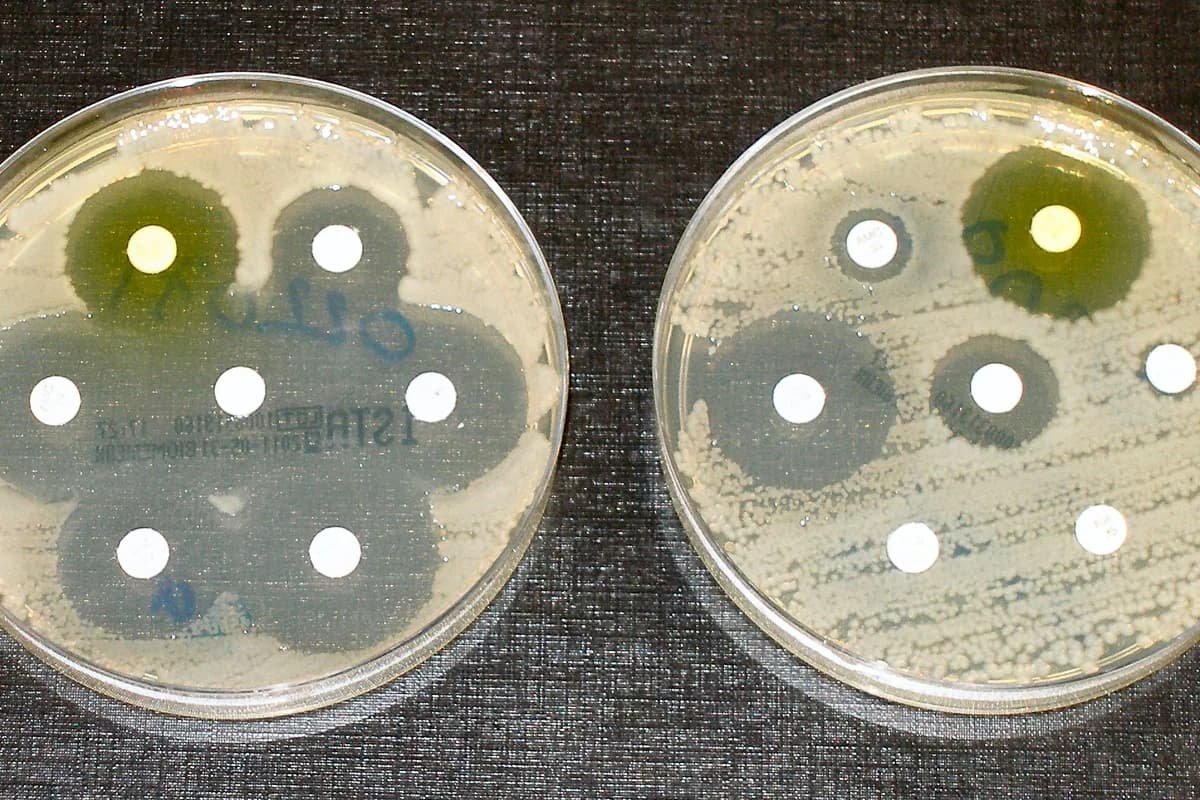
A commentary on antimicrobial discovery asks how to judge a model once it can already suggest many candidates.
Source published
Comments & Opinion
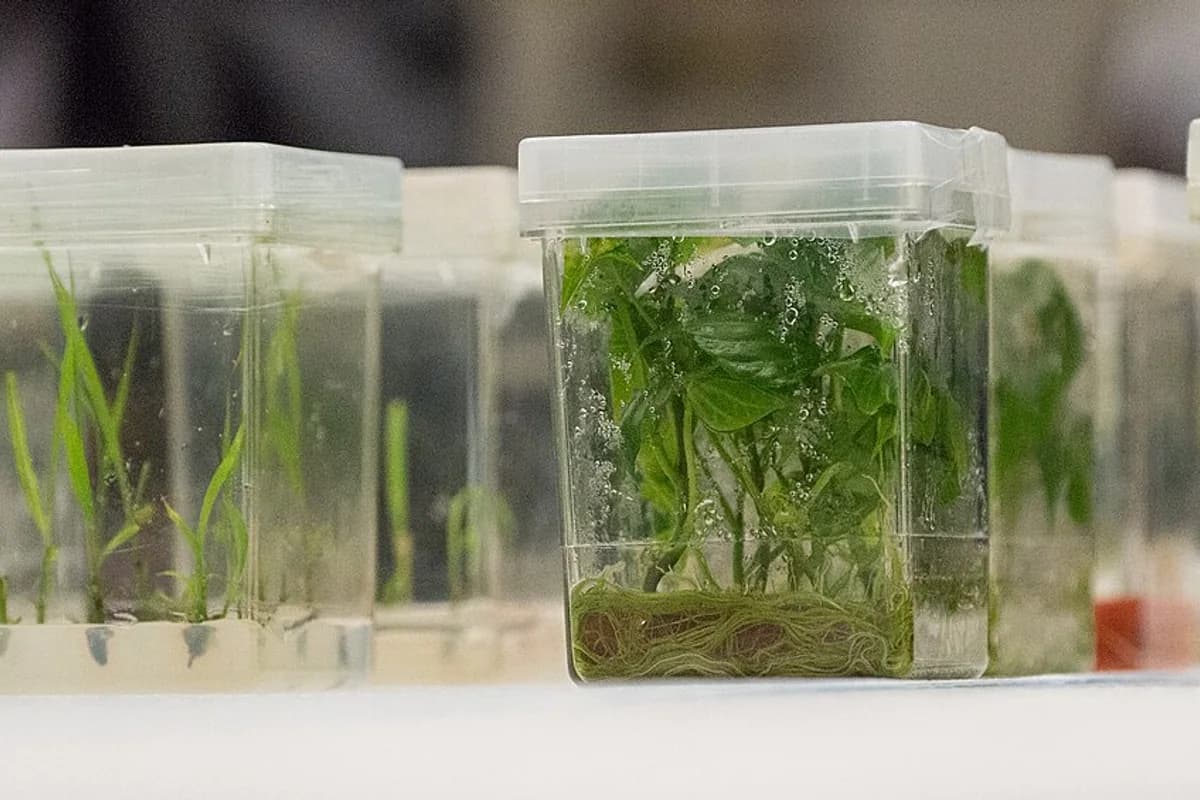
Three researchers consider how drug-discovery experience could help assess peptides for agriculture.
Source published
News & Views
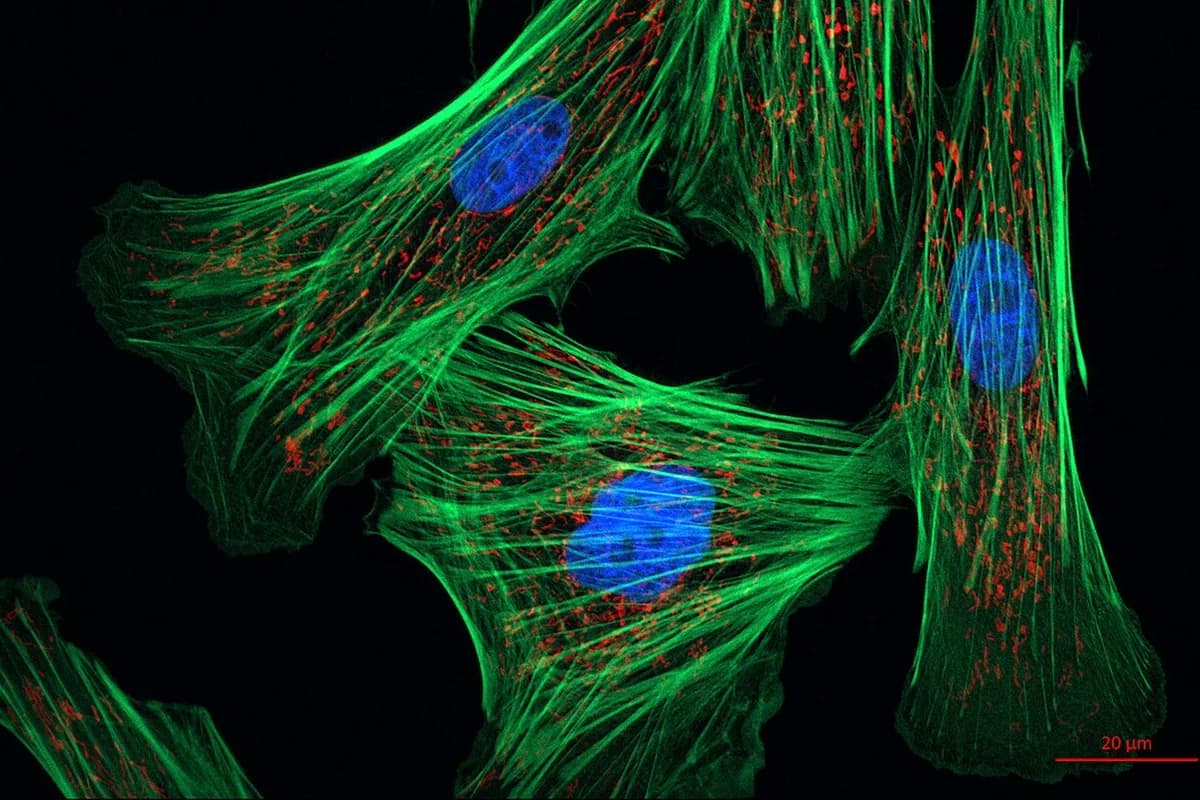
Switching off mTORC1 in one compartment at a time gives researchers a closer look at what the signal does there.
Source published
Research Highlights
A tiny peptide catalyst can influence the three-dimensional arrangement that forms when a large molecular ring closes.
Source published
Research Highlights
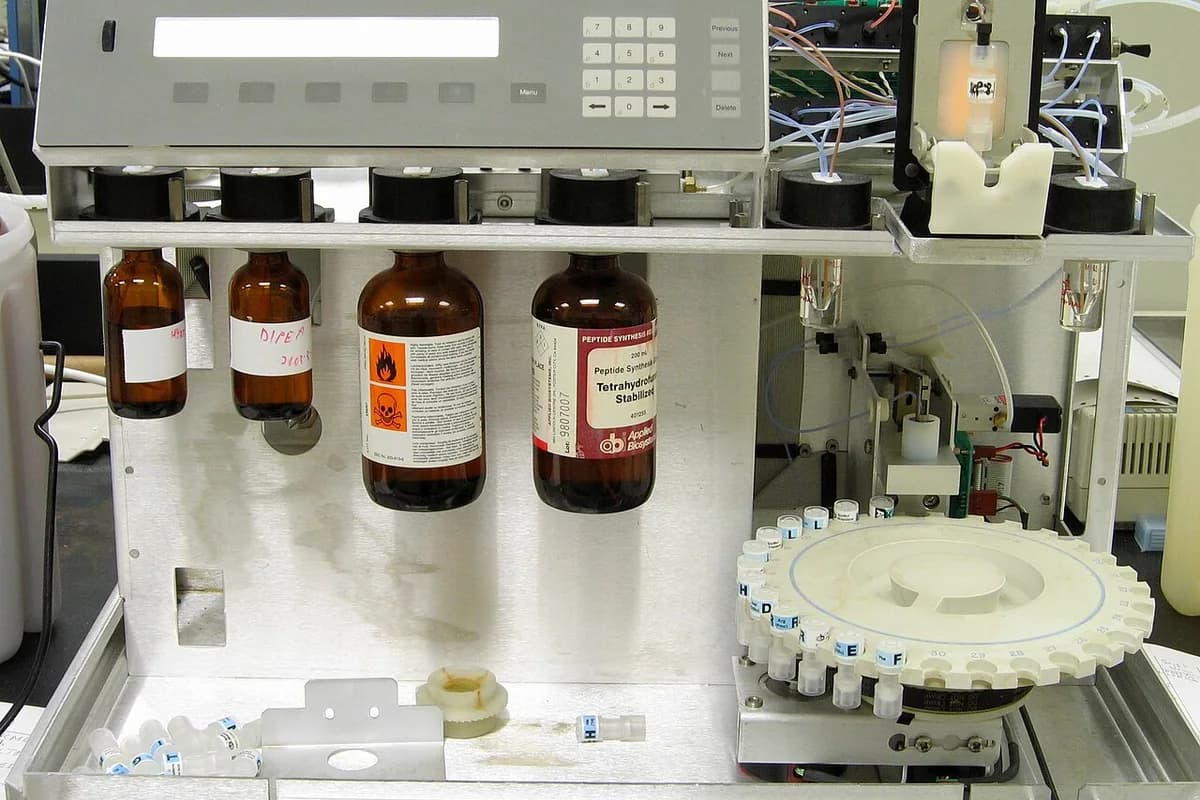
A study tackles two obstacles to water-based peptide synthesis, the solubility of its building blocks and the material that holds the growing chain.
Source published
News & Views
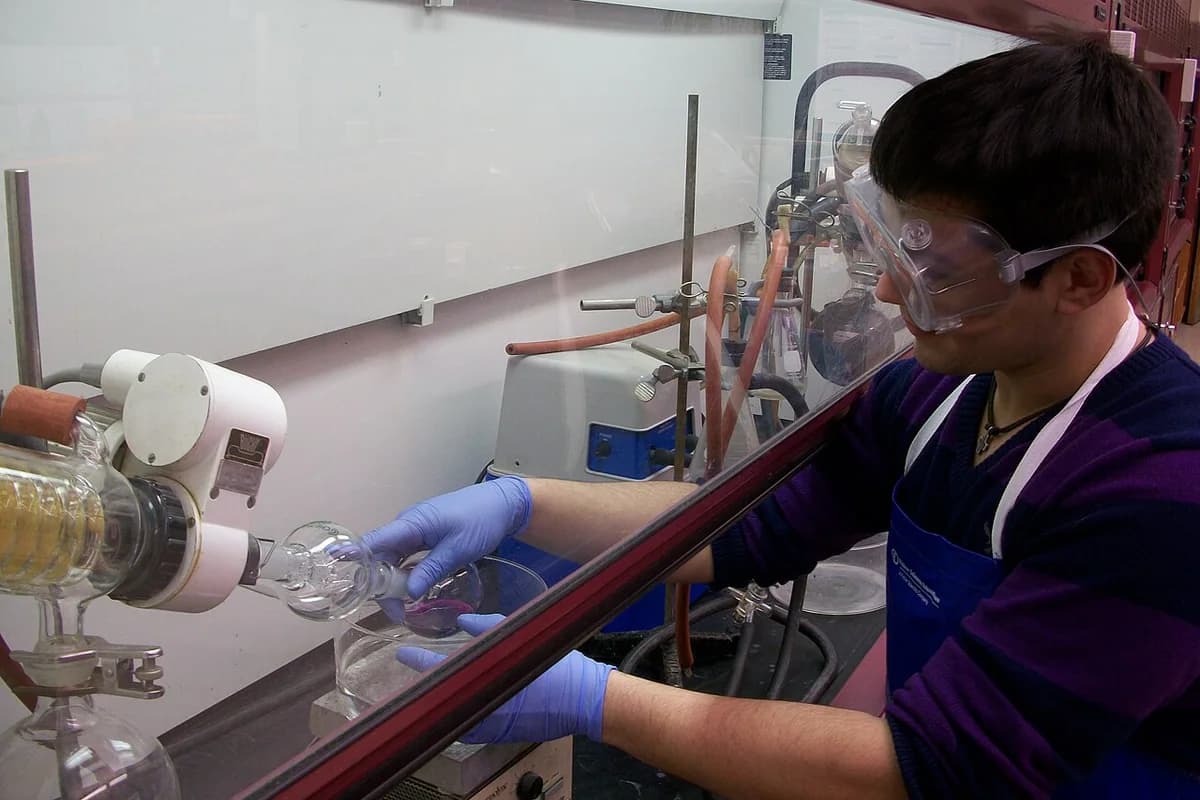
An engineering perspective on water-based peptide synthesis puts the repeated washing of a growing chain in focus.
Source published
News & Views
Capturing a fleeting molecular encounter helped connect the neuropeptide Little-LEN with the receptor GPR50.
Source published
News & Views
A year-end perspective asks how chemists can expand the kinds of structures and interactions available to peptides.
Source published
News & Views
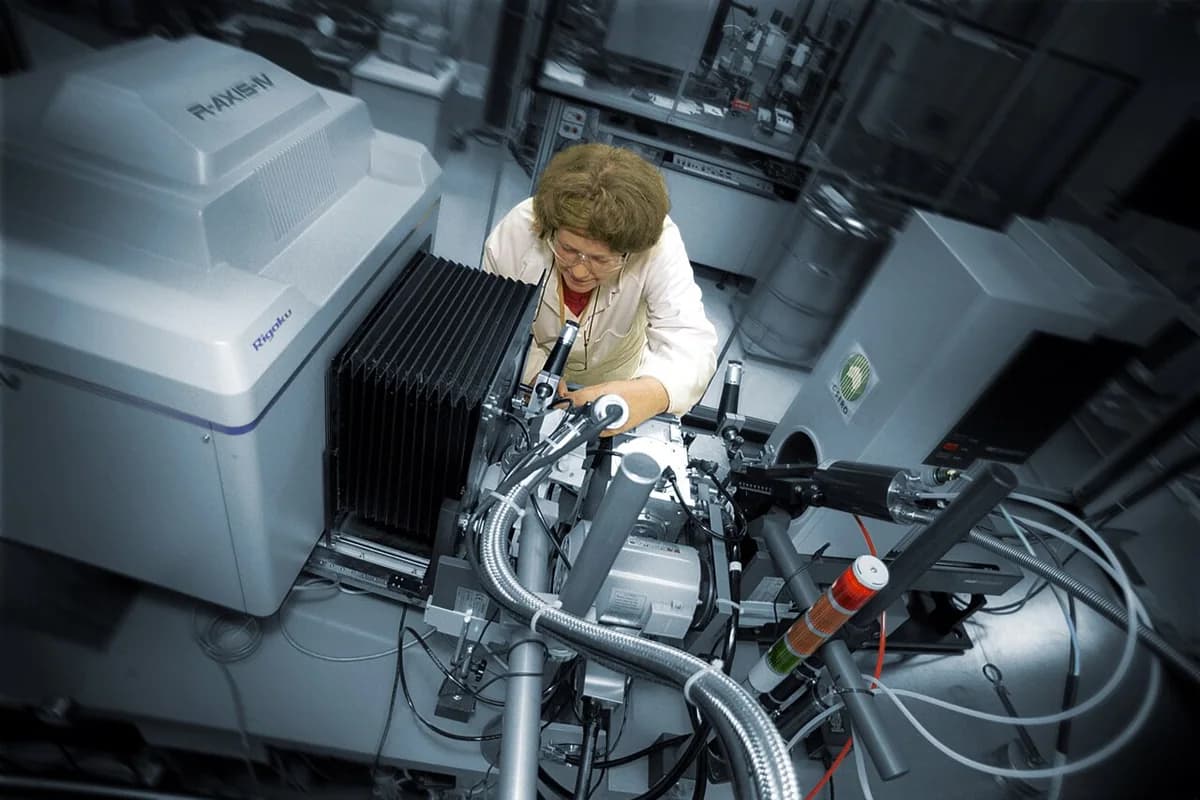
Researchers tested whether computer-designed peptide rings could bind a target protein in the pose their model predicted.
Source published
News & Views
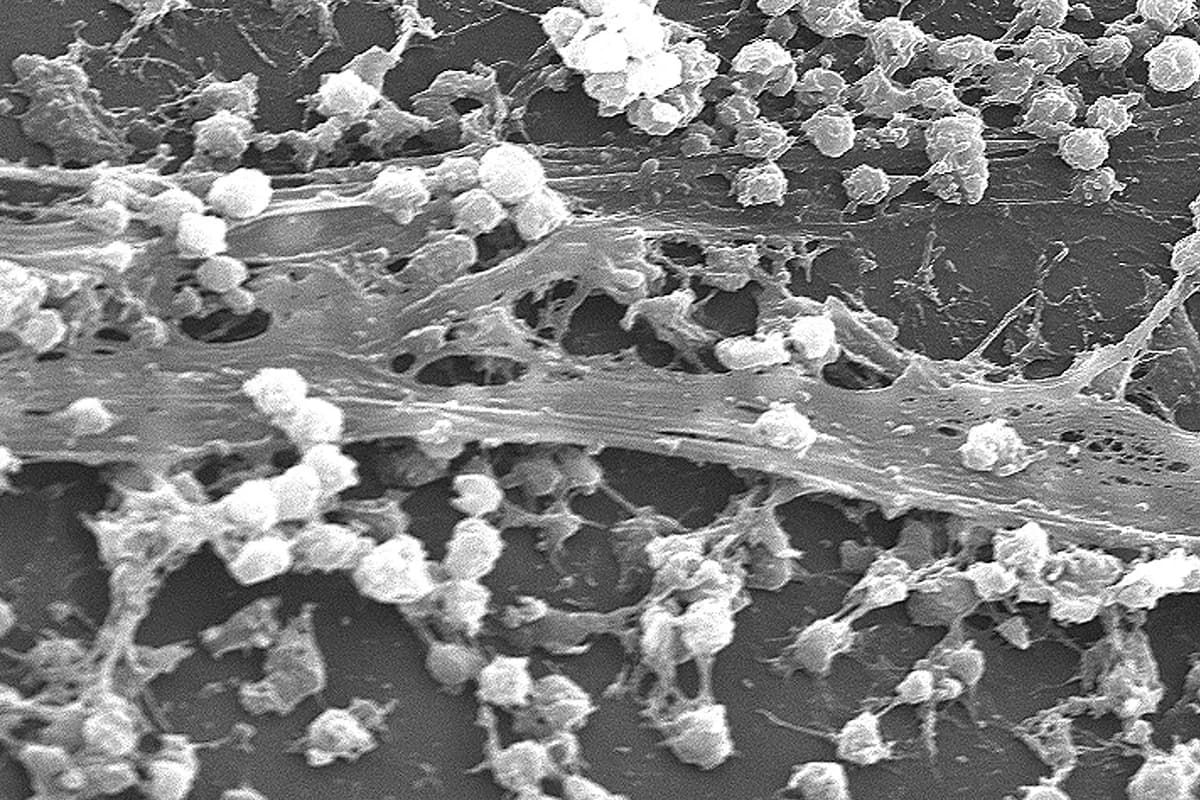
A study of machine-selected peptides brings the structures they form together into the picture of antibacterial activity.
Source published
Research Highlights
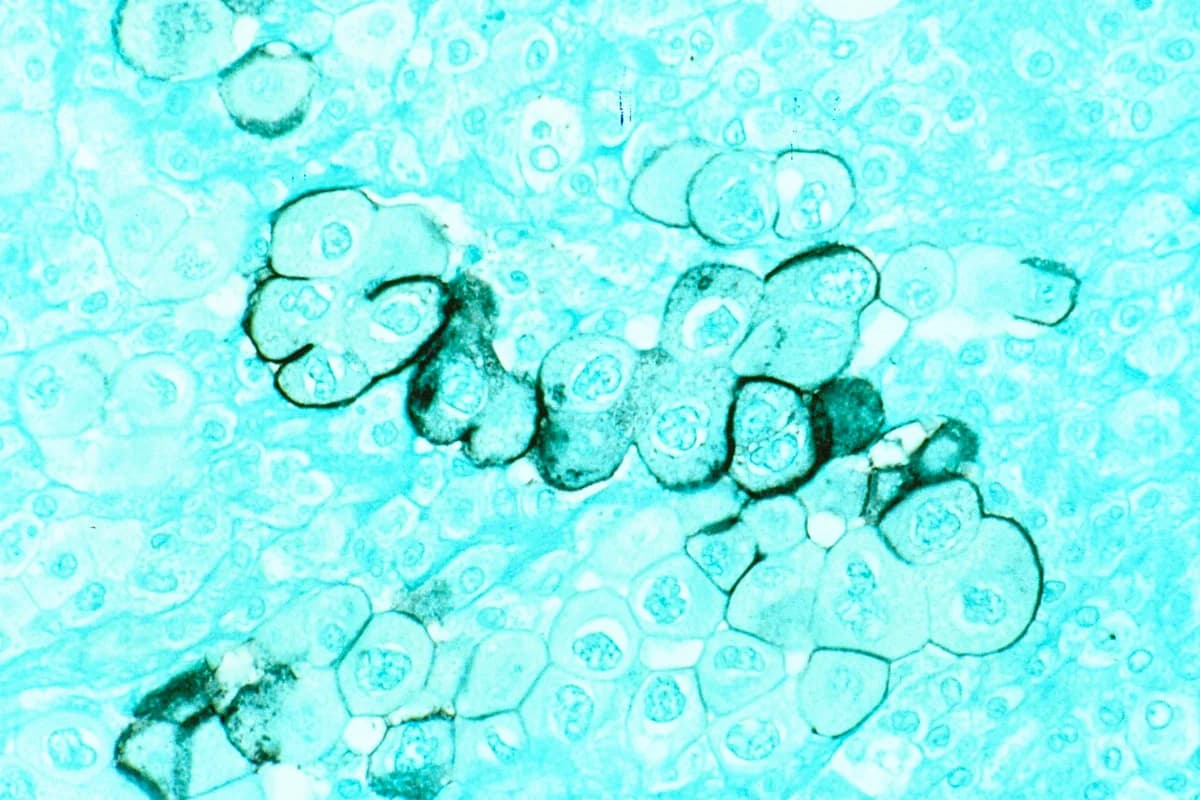
Pancreatic tumour models displayed peptides originating from sections of genetic material read outside conventional protein-coding frames.
Source published
News & Views
A strategy inspired by the movement of DNA segments gives researchers a way to place a modification at a particular site in a protein.
Source published
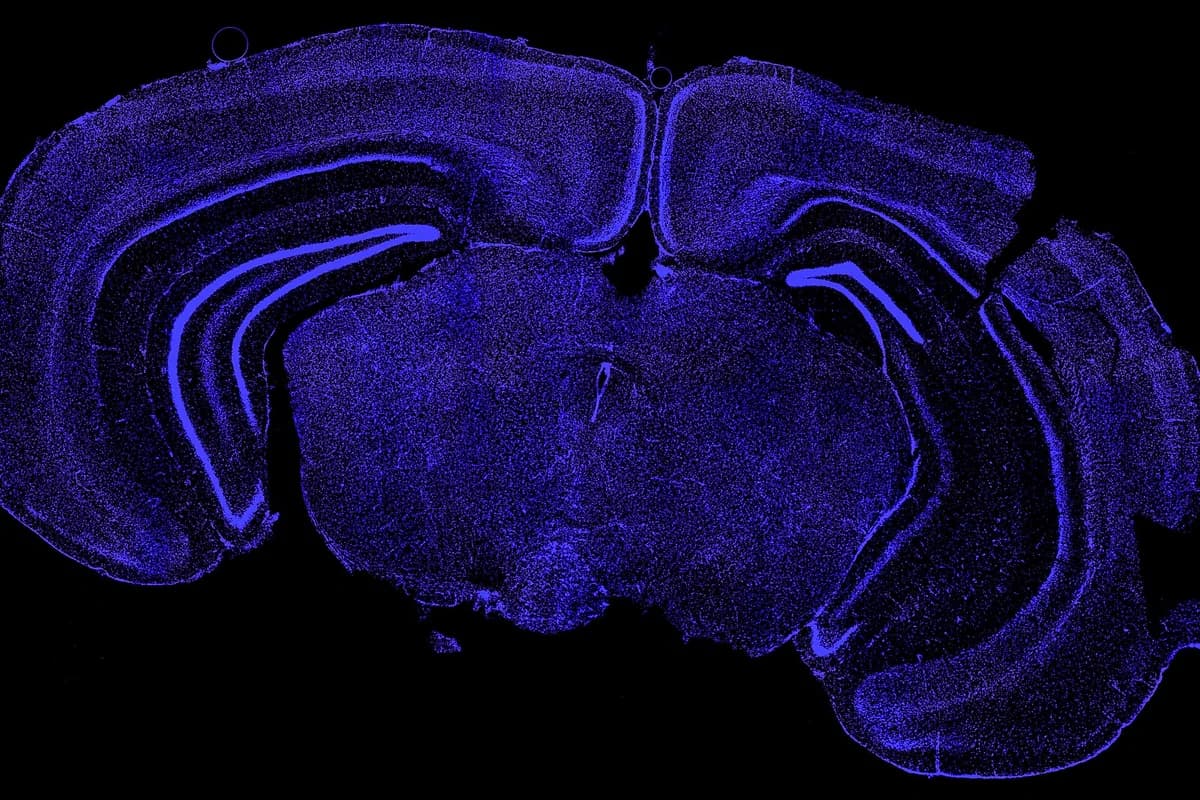
Research Highlights
In mice, nearby groups of inhibitory neurons responded differently to stimuli around a brainstem centre for arousal.
Source published
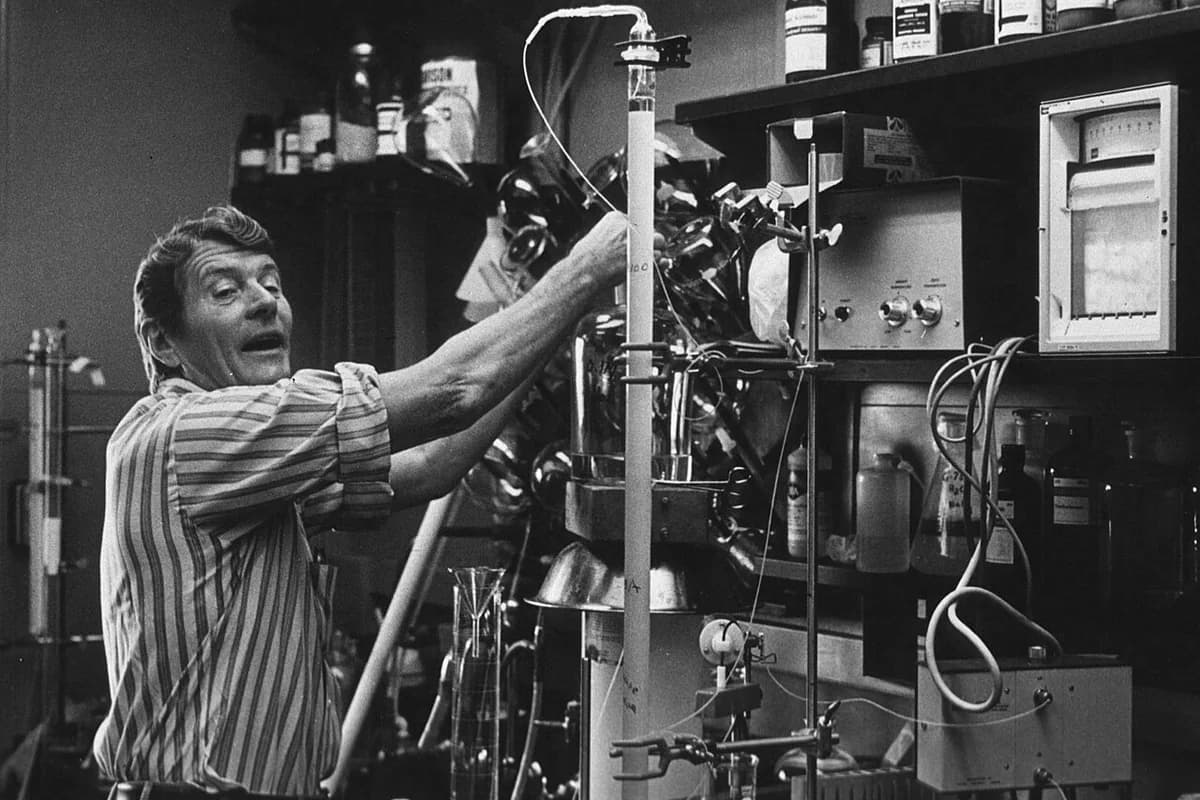
News & Views
A look back at a landmark protein-folding experiment shows how changing the connections within a chain can change its shape.
Source published
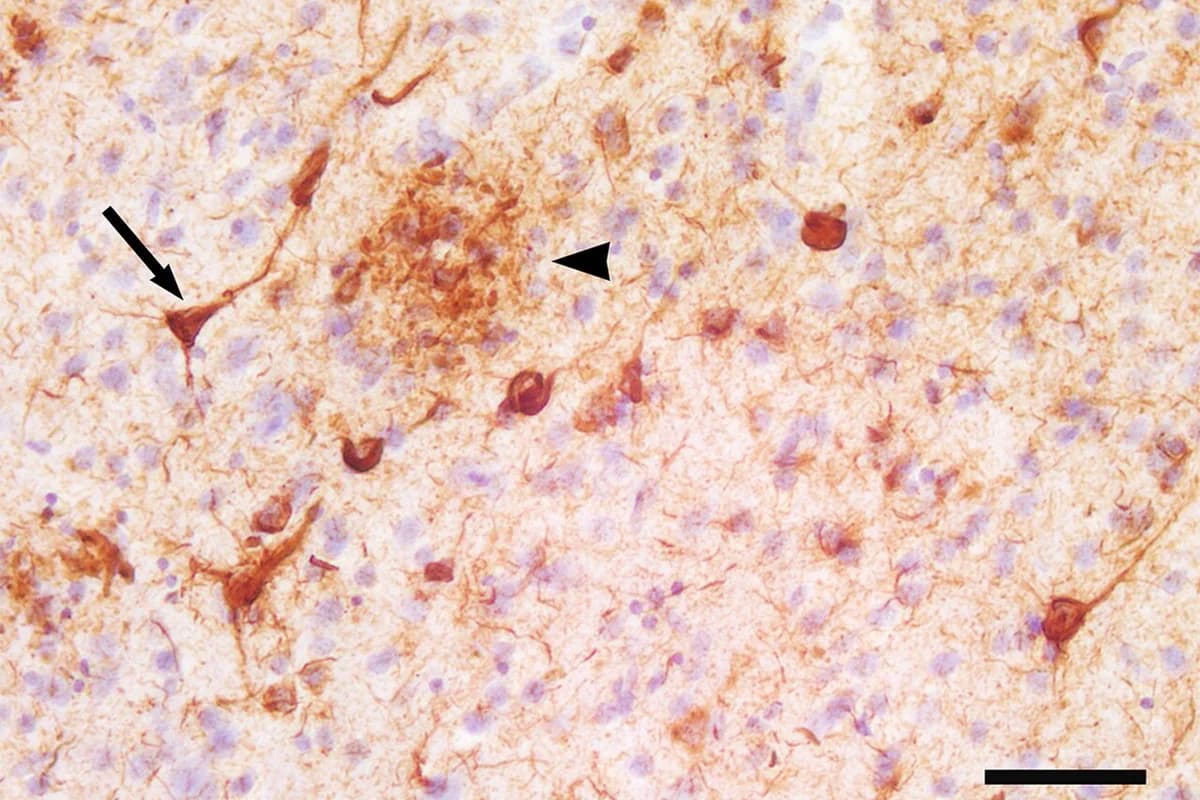
News & Views
Ring-shaped peptides reproduce features of the tau structures associated with different neurodegenerative diseases.
Source published
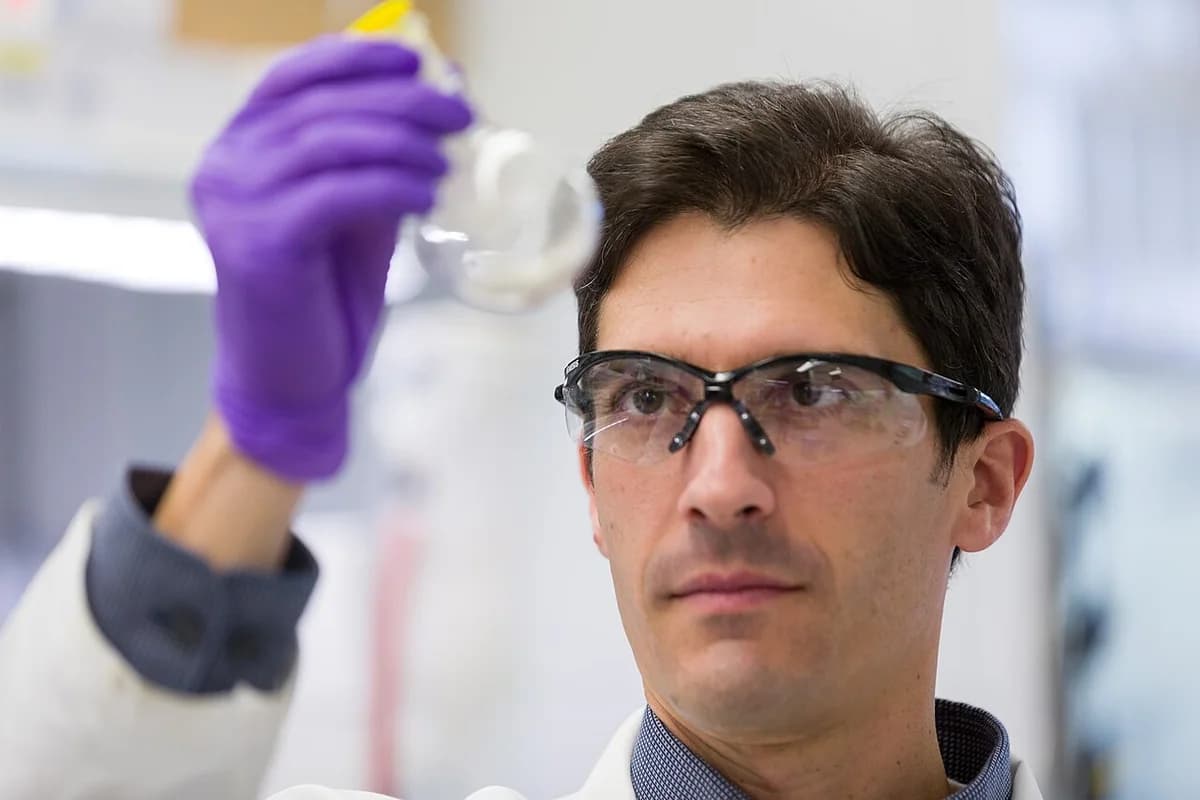
News & Views
Cyclic peptides that form a chemical bond with a protein offer a way to study difficult binding surfaces.
Source published
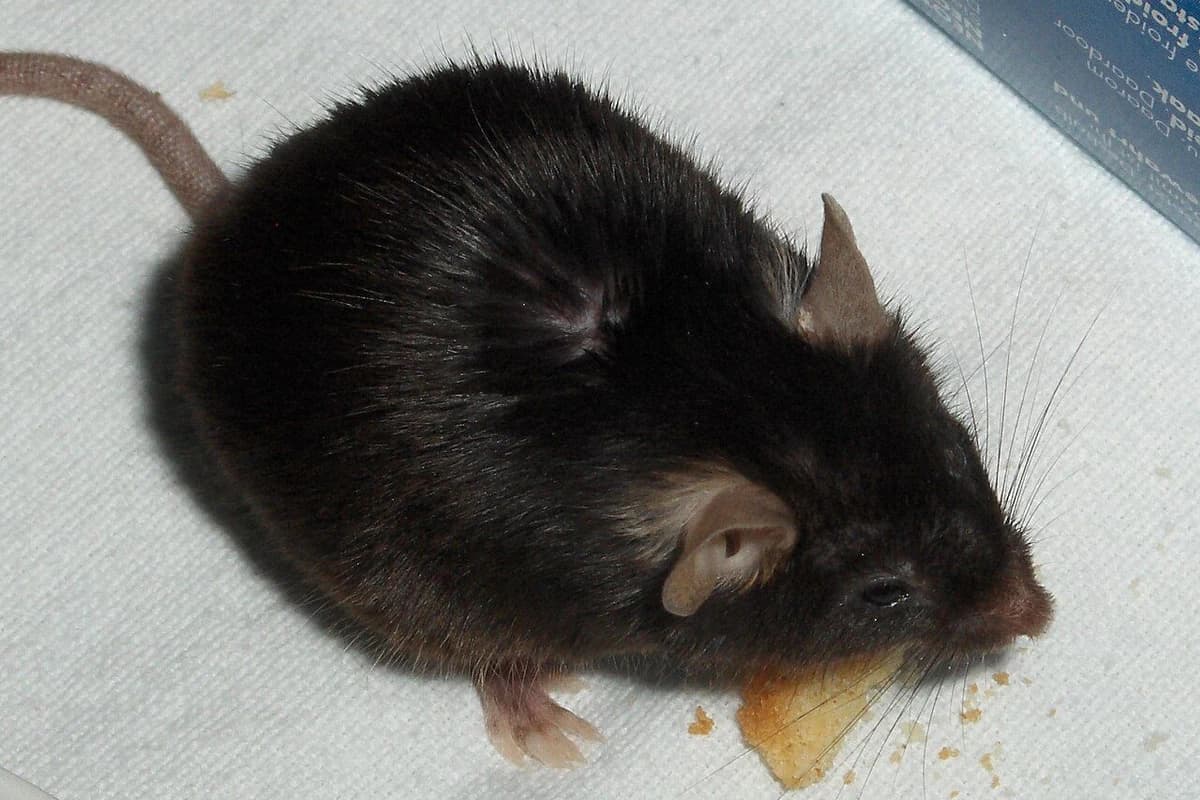
Research Highlights
A computational survey of human proteins led researchers to a small peptide involved in feeding behaviour in mice.
Source published
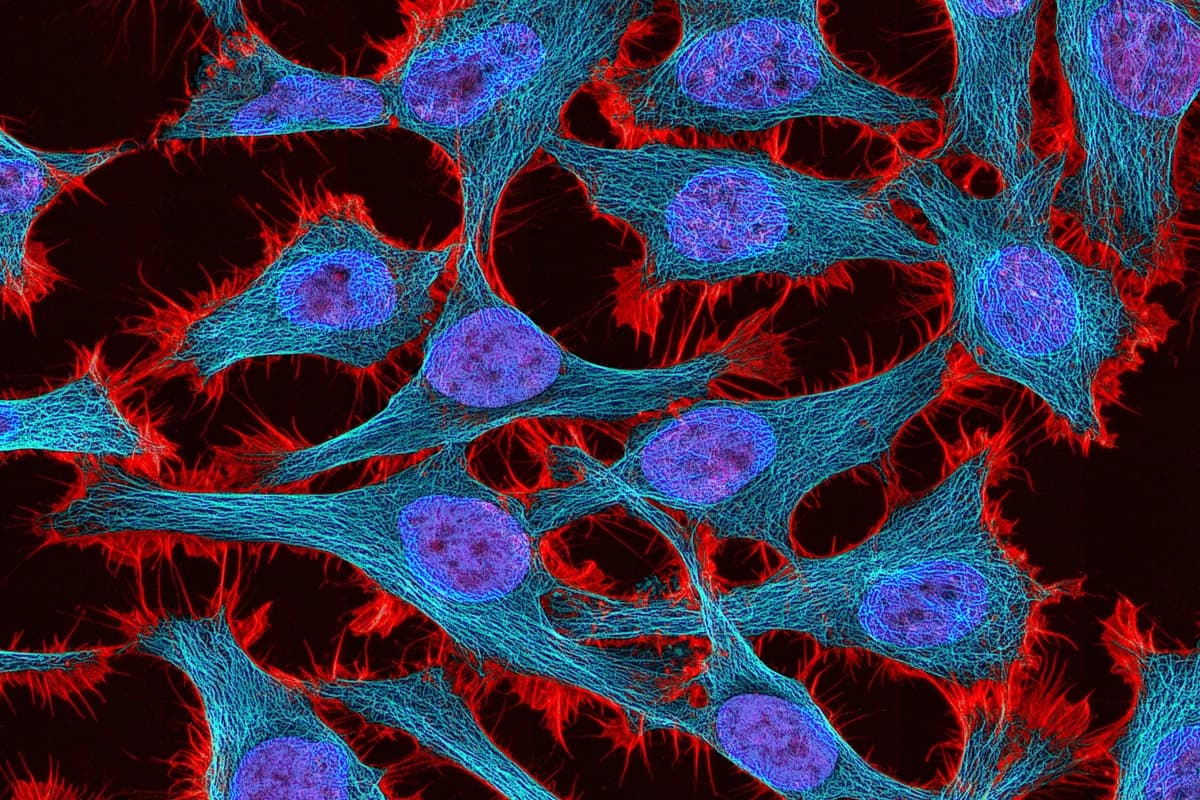
News & Views
A sugar-binding protein helps explain how this iron-dependent form of cell death can affect adjacent cells.
Source published
Research Highlights
A reshaped peptide library provides a way to ask which early discoveries can tolerate further chemical development.
Source published
News & Views
A review considers the different loops available when one end of a peptide joins a side chain.
Source published
News & Views
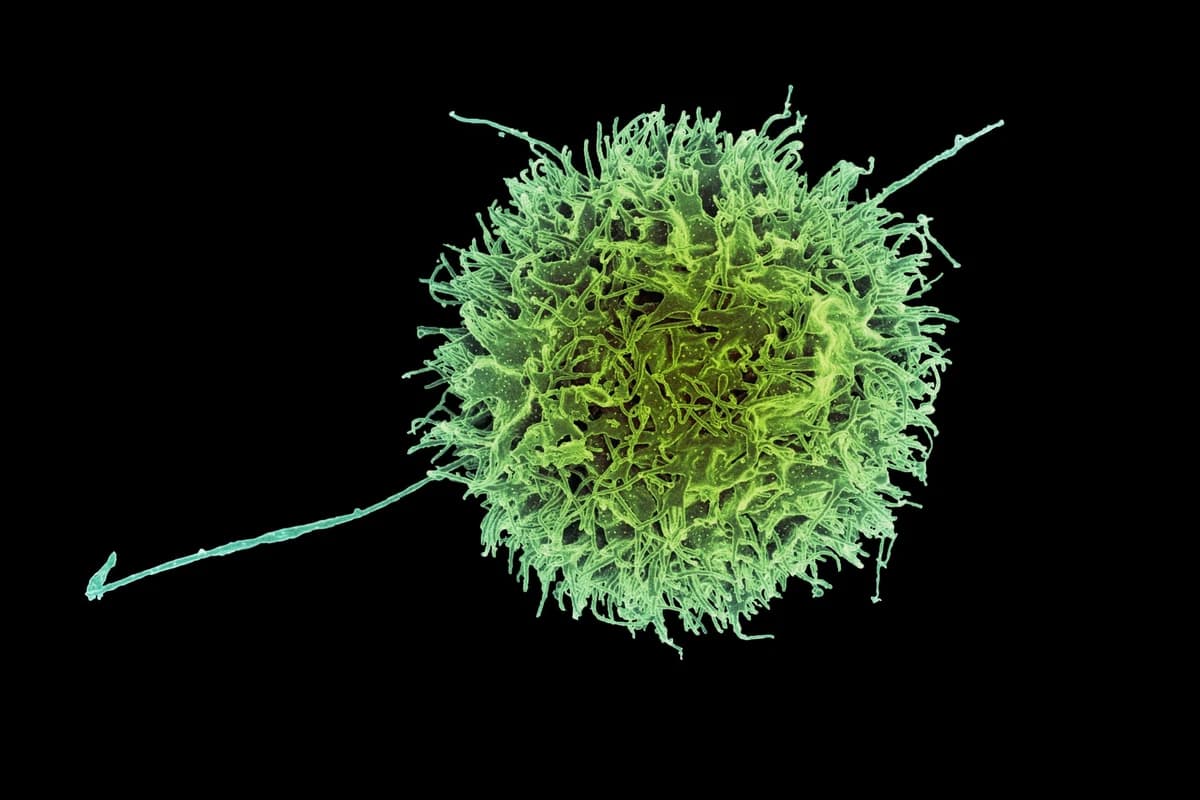
A mouse study used a peptide to bring natural killer cells into contact with senescent cells. The results draw attention to how the two cell types meet in ageing tissues.
Source published
News & Views
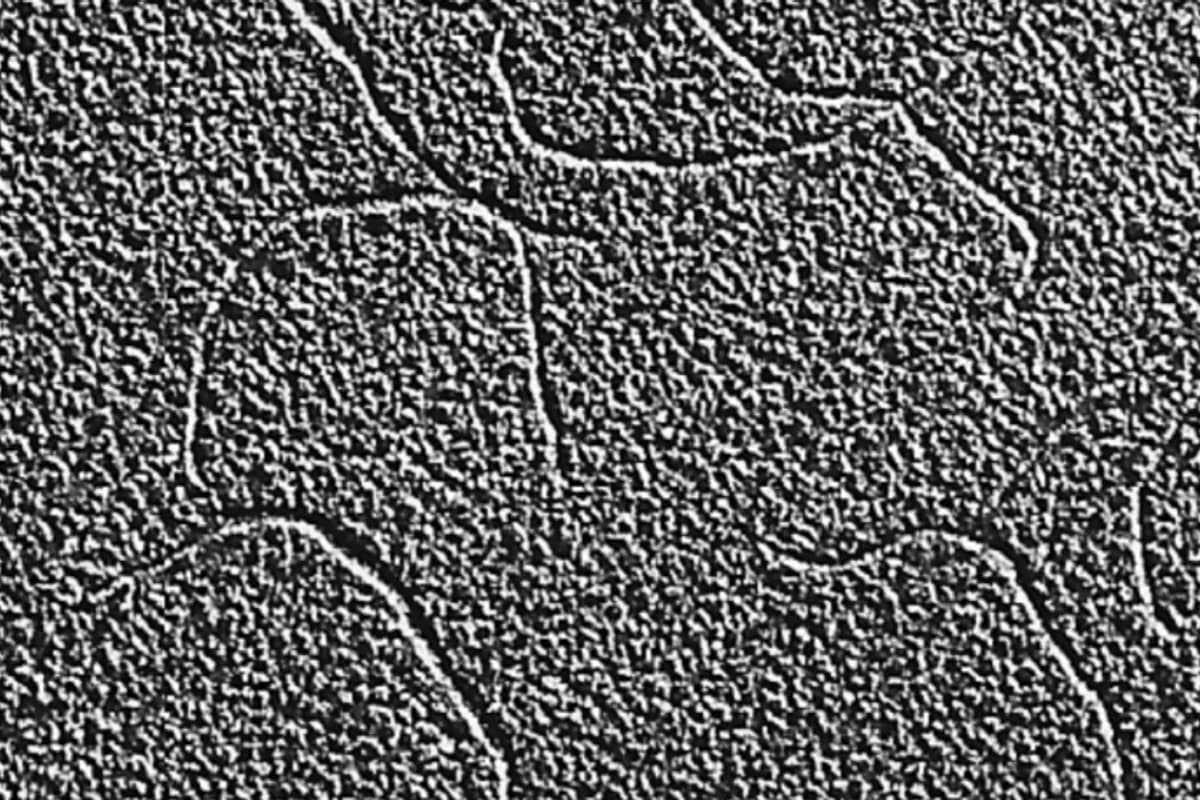
A retrospective looks back at a 2009 experiment that made it possible to search large collections of peptides held in two loops.
Source published
News & Views
A commentary examines how a compact neural network can help researchers choose peptide sequences worth testing for self-assembly.
Source published
News & Views
Lasso peptides owe their shape to a tail threaded through a molecular ring. Research into the enzymes that make them offers clues to how that arrangement arises.
Source published
Research Highlights
When a short peptide gathered into liquid droplets, it adopted a more stable fold and became more efficient at breaking a phosphate ester bond.
Source published
Research Highlights
Researchers found that a bacterium can remodel part of a peptide into a structure resembling uracil, one of the bases found in RNA.
Source published